 Everetts Place

Montessori Toys for Infants: Simple, Purposeful Play for the First Year
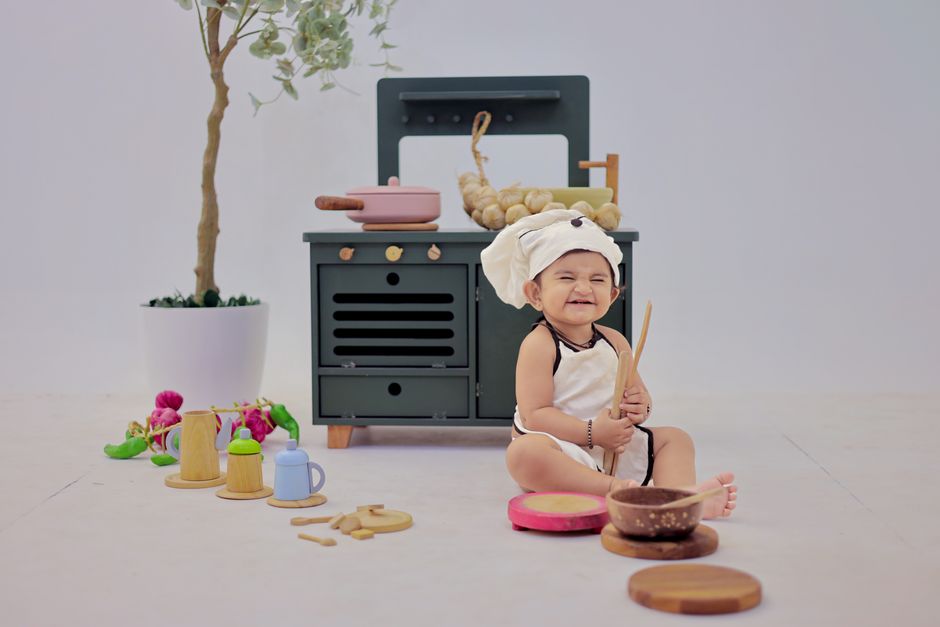
In the first year of life, every new sound, texture, and movement helps an infant make sense of the world. Montessori toys for infants are designed to support that discovery in a calm, focused way. Instead of flashing lights or noisy electronics, these toys invite a baby to observe, grasp, shake, and explore at their own pace. The idea is simple: give a child one developmentally appropriate challenge at a time, and let them build concentration and confidence through hands-on play. Below you will find age‑based recommendations, tips on choosing safe materials, and answers to common questions about these toys.
What Makes a Toy Montessori?
Montessori toys are not defined by a single brand or material. According to the Montessori Method, a toy qualifies as Montessori when it promotes engagement and serves a learning purpose, rather than just entertainment. That is why such toys are never battery operated. They often focus on only one skill or concept at a time, allowing a baby to master a movement or understanding without distraction. While natural materials such as wood are preferred, a toy does not have to be wooden to be considered Montessori. The key is simplicity, safety, and an open‑ended invitation to explore.
Montessori Toys for Newborns and Young Infants (0+ Months)
From birth, a baby’s vision is still developing. High‑contrast black‑and‑white images and gentle sounds are especially engaging. Recommended Montessori toys for the youngest infants include:
- Black‑and‑white picture books or cards
- A baby play gym or a simple mobile with clear, contrasting shapes
- A wooden rattle that is easy to grasp and shake
- Soft balls made from natural fibers, easy for tiny hands to hold
These toys stimulate sight, sound, and touch without overwhelming the senses. A simple wooden rattle or grasping toy is a good starting point, as noted by Playroom Collective. You can introduce them from birth, though many babies begin to actively engage with toys around three months of age, according to Montessori Generation.
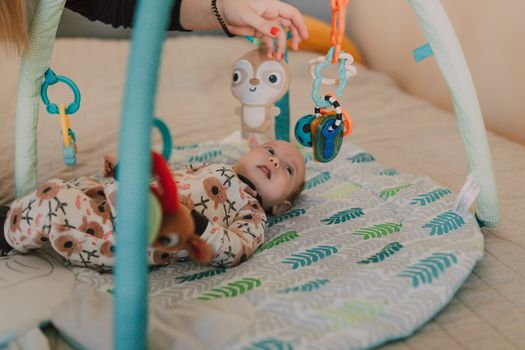
Building Skills with Toys for 6+ Months
As infants gain more control over their hands and bodies, they become ready for toys that encourage cause and effect, hand‑eye coordination, and spatial reasoning. The Montessori approach recommends the following for babies around six months and older:
- Textured balls (different fabrics and surfaces to explore)
- An object permanence box (a wooden box with a hole and a ball – the child drops the ball and it reappears)
- A baby‑safe mirror (to support self‑awareness)
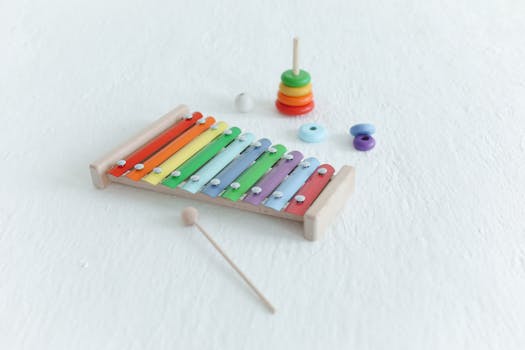
- Simple musical instruments, such as a small wooden shaker or a bell
These toys are still minimalist and non‑battery operated, but they introduce a new layer of discovery. For example, a rolling bell combines sound and movement, helping a baby learn to track objects. Hand‑to‑hand transfer discs are another excellent choice for this stage, as they encourage crossing the midline and coordinating both hands.
Toys for Older Infants: 12+ Months and Into Toddlerhood
Around their first birthday, infants become more mobile and curious about how things fit together. Montessori toys for this stage build on earlier skills and add a bit more complexity. Recommended options include:
- Vertical stackers – rings or discs that slide onto a post
- Pop‑up toys that require pushing, pulling, or sliding to reveal a character
- Pulling and pushing toys (a wooden cart on a string)
- Spinning tops that a child can set in motion
- Soft books and simple puzzles with large knobs
Many of these toys continue to be used well past the first year. Playroom Collective, for instance, designs Montessori toys for ages 6 months to 7 years, showing that a well‑chosen stacker or puzzle can grow with a child. The key is to select items that isolate one skill – such as stacking, threading, or matching – so the baby can focus completely on that challenge.
Choosing Safe and Natural Materials
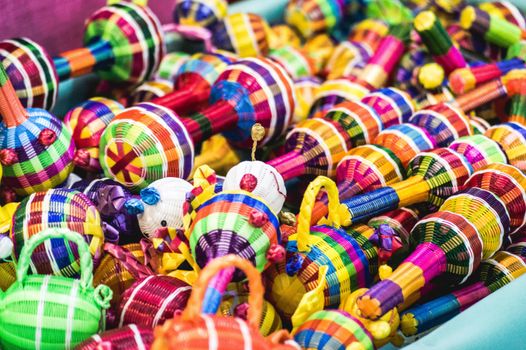
While the Montessori approach prefers natural materials such as wood, cotton, and wool, it does not require them. What matters most is safety and durability. Many retailers, including Playroom Collective, use sustainably harvested wood and non‑toxic finishes, and they certify their toys through CPSIA safety testing. Lovevery, a brand known for Montessori‑inspired play kits, also uses sustainably harvested wood. For parents, the goal is to look for toys that are free from harmful chemicals, have no small parts that could become choking hazards, and are sturdy enough to withstand mouthing and dropping. Because Montessori toys for infants are not battery operated, there are no loose electronic components to worry about.
How Many Toys Does an Infant Need?
Less is more in a Montessori‑inspired play space. A few carefully selected toys displayed on a low shelf are more inviting than a bin of noisy plastic gadgets. Rotating toys regularly keeps a baby’s interest fresh without overwhelming them. A simple set – one rattle, one ball, a soft book, a stacker – is plenty for the first several months. As the child grows, you can add one new item at a time and observe how they engage with it. This approach respects the infant’s natural pace and helps build long attention spans.
Frequently Asked Questions
When should I introduce the first Montessori toy to my baby?
You can offer a simple black‑and‑white mobile or a soft rattle from birth. Most babies begin to actively reach for and grasp toys around three months of age. Observe your baby’s cues – if they show interest in tracking objects or batting at a mobile, it is a good time to offer a grasping toy.
Do all Montessori toys have to be wooden?
No. While natural materials are preferred, a toy does not have to be wooden to be considered Montessori. What matters is that the toy is simple, non‑battery operated, and focuses on one skill. Fabric, silicone, and other natural or safe materials are also used.
Can I use electronic toys in a Montessori‑inspired home?
Montessori toys are not battery operated, and electronic toys are generally discouraged in this approach because they do the action for the child rather than inviting active participation. Simple, manual toys that respond to the child’s own effort are always preferred.
How do I know if a toy is safe for my infant?
Look for toys made from natural, non‑toxic materials that have passed safety standards such as CPSIA testing. Avoid small parts that could become choking hazards, and check that the toy is sturdy enough to withstand chewing and dropping. Always follow the age recommendations provided by the manufacturer.
Choosing Montessori toys for infants is about more than buying the right objects. It is about creating a calm, intentional environment where a baby can explore with curiosity and focus. With a few simple, well‑made toys and a patient observer nearby, the first year of play becomes a rich foundation for lifelong learning.
Share