 Everetts Place

Cloth Diapering for Beginners: A Simple Start Guide
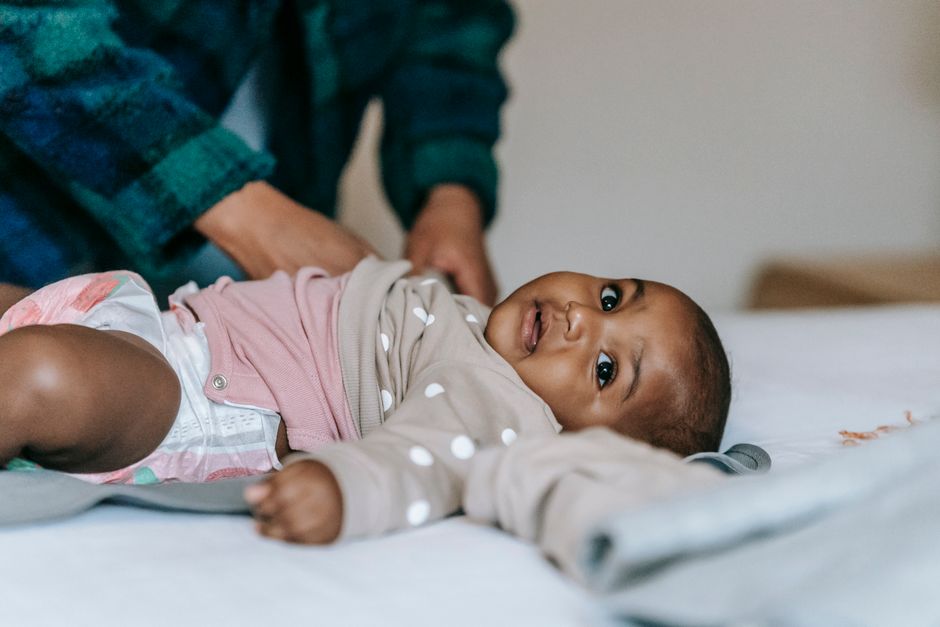
Choosing cloth diapers can save a family over $1,500 per child. For many new parents, the initial investment and learning curve feel daunting, but the system is simpler than it appears. Modern cloth diapering is far removed from the pins and plastic pants of past generations. This guide breaks down the essentials, from selecting your first diaper covers to establishing a manageable diaper laundry routine, so you can begin with clarity.
Why Consider Cloth Diapers?
Beyond the significant cost savings, cloth diapers reduce landfill waste dramatically. A single child uses thousands of disposable diapers, which can take centuries to decompose. Modern cloth options are effective, comfortable for babies, and free from the chemicals often found in their disposable counterparts. Many parents also find that children who use cloth experience fewer incidents of diaper rash due to the breathable natural fibers. Starting a cloth diapering journey supports a healthier home and planet without compromising on convenience.
Building a functional diaper stash is a primary step. You do not need a huge collection to begin. A starter set of 20-24 diapers allows for washing every other day. This manageable number lets you test different styles before committing to a larger inventory. For more on selecting safe, effective products for your baby, explore our range of organic baby essentials.
Understanding the Main Types of Cloth Diapers
Cloth diapers come in several designs, each with its own method. Knowing the differences helps you find what works for your lifestyle.
Prefold Diapers and Covers
This is a classic, economical system. Prefold diapers are rectangular cotton pads that you fold and place inside a separate waterproof diaper cover. The cover snaps or Velcros shut. You can reuse a cover multiple times throughout the day if it stays clean, only changing the prefold inside. This style is highly absorbent and dries quickly, making it a favorite for newborn diapering.
Pocket Diapers
Pocket diapers are a popular all-in-two design. They feature a waterproof outer shell with a soft inner lining and a pocket opening at the back. You stuff absorbent inserts into the pocket before use. After the diaper is soiled, you remove the insert for washing. The benefit is customisable absorbency, and the stay-dry lining feels comfortable against baby's skin.
All-in-One Diapers
As the name suggests, all-in-one diapers are the most similar to disposables. The absorbent inner layers are sewn directly into the waterproof shell. There is no stuffing or separate covers required. They are incredibly easy for caregivers to use but take the longest to dry after washing.
| Type | Key Components | Best For | Drying Time |
|---|---|---|---|
| Prefold & Cover | Cotton prefold + separate waterproof cover | Budget-conscious beginners, quick drying | Fast |
| Pocket Diaper | Shell with pocket + absorbent insert | Customisable absorbency, family caregivers | Medium |
| All-in-One (AIO) | Integrated absorbent and waterproof layers | Maximum convenience, daycare use | Slow |
Building Your First Cloth Diaper Stash
A well-planned stash prevents you from running out of clean diapers. Your total number depends on how often you want to wash. Newborns need changes 10-12 times a day, while older babies may need 6-8. A common mistake is buying only one style before knowing what works for your baby's shape and your daily rhythm.
Here is a sample starter stash for washing every other day:
- 24-36 absorbent diapers or inserts (a mix of prefolds, fitteds, or pocket inserts)
- 6-8 waterproof diaper covers (if using prefolds or fitteds)
- 8-10 pocket or all-in-one diapers
- 2 durable wet bags for storing dirty diapers on the go
- 1 large diaper pail or hanging wet bag for home
You do not need to buy everything at once. Many parents start with a trial pack of different styles. This approach lets you discover your preference before investing in a full set. Remember, your baby will grow, so consider adjustable sizes or a one-size system that fits from around 10 to 35 pounds. Some brands offer newborn rentals or trial programs, which can further reduce initial costs while you learn.
The Cloth Diaper Laundry Routine Demystified
A consistent wash routine is the backbone of successful cloth diapering. It ensures diapers are clean, fresh, and long-lasting. Fear of diaper laundry is common, but the process is straightforward once established.
First, store dirty diapers in a dry, ventilated pail. A hanging wet bag with a waterproof liner works perfectly. Do not soak diapers in water or use wet pails, as this can pose a safety hazard and promote mildew.
Your wash day should follow these basic steps:
- Pre-wash or Rinse: Run a short, cold wash cycle with a small amount of detergent. This cycle removes solid waste and the majority of the urine.
- Main Wash: Follow with a long, hot wash cycle using the full recommended amount of a cloth-diaper-safe detergent. This cycle sanitizes and fully cleans the diapers.
- Extra Rinse (Optional): If your baby has sensitive skin or your water is soft, an extra cold rinse can ensure no detergent residue remains.
- Dry: Line dry covers and pocket shells to preserve their waterproofing. Inserts, prefolds, and all-in-ones can usually go in the dryer on low or medium heat.
Water hardness significantly impacts wash results. Hard water can lead to mineral buildup and odors, often requiring a detergent booster. Testing your water or consulting local parents can provide specific advice for your area.
Essential Accessories for Your System
A few key accessories make daily cloth diapering smoother. Cloth wipes are a natural partner. You simply wash them with your diapers, eliminating the need for a separate trash stream. A sprayer attached to your toilet makes removing solid waste effortless before tossing the diaper into the pail. Disposable liners can offer a barrier for messy situations or when traveling.
For outings, a small wet bag is indispensable. These bags have a waterproof interior and a zippered closure, containing moisture and odor until you get home. Having two allows one to be in the wash while the other is in use. Consider also a portable changing pad with a pocket to keep a clean diaper and wet bag together. For further guidance on product care and other parenting topics, our page on essential baby care knowledge is a helpful resource.
Frequently Asked Questions
Are cloth diapers really cheaper than disposables?
Yes, the savings are substantial. While the upfront cost for a full cloth diaper stash is higher, you reuse every diaper hundreds of times. Over the diapering years, families typically save between $1,000 and $2,000 per child, even accounting for water and detergent costs. A 2021 analysis by the National Diaper Bank Network noted that disposable diapers can cost over $70 per month, while cloth diaper maintenance costs average under $20 monthly after the initial purchase.
How do I handle cloth diapering when away from home?
Pack a small wet bag in your diaper bag. After a change, place the soiled diaper inside the bag and zip it shut. The bag will contain moisture and odor until you return home and can empty it into your main pail. Many parents find it easier than they expect. For longer trips, research laundry facilities at your destination or plan to use a hybrid approach with biodegradable disposable inserts.
What is the best way to prevent diaper rash with cloth?
Change diapers frequently, every 2-3 hours. Ensure diapers are thoroughly rinsed and free of detergent buildup, which can irritate skin. Use a breathable diaper cover and allow for diaper-free time when possible. Avoid using petroleum-based creams with cloth, as they can coat fibers and reduce absorbency. Instead, choose cloth-safe barriers like zinc oxide creams or linseed oil-based balms.
Can daycare centers use cloth diapers?
Many daycares will accept cloth diapers, especially easy-to-use styles like all-in-ones or pocket diapers. Always check with your specific center first. Provide a clear, labeled wet bag and simple instructions. Pre-stuffing pocket diapers makes it as easy as a disposable for caregivers. Some states have specific licensing regulations regarding cloth diapers, so it's wise to ask your daycare for their written policy.
Where can I get more personalized advice?
If you have specific questions about products or routines, reaching out directly can provide the answers you need. Visit our contact page to connect with our team for support on your cloth diapering journey.
How many cloth diapers do I need for twins?
Diapering twins requires a larger stash to maintain a practical wash frequency. Aim for 30-40 diapers per child if washing every other day, or 40-50 total for both babies if you plan to wash daily. Many families with multiples find a mix of prefolds with covers and a few all-in-ones for outings provides flexibility and cost control.
Starting with cloth diapers is a series of small, manageable steps. Begin with a trial stash, master a simple wash routine, and gradually build your supplies. The initial learning period is short, and the long-term benefits for your wallet, your child, and the environment are lasting.
Share