 Everetts Place

Cloth Diapering Essentials: What You Need to Start in 2026
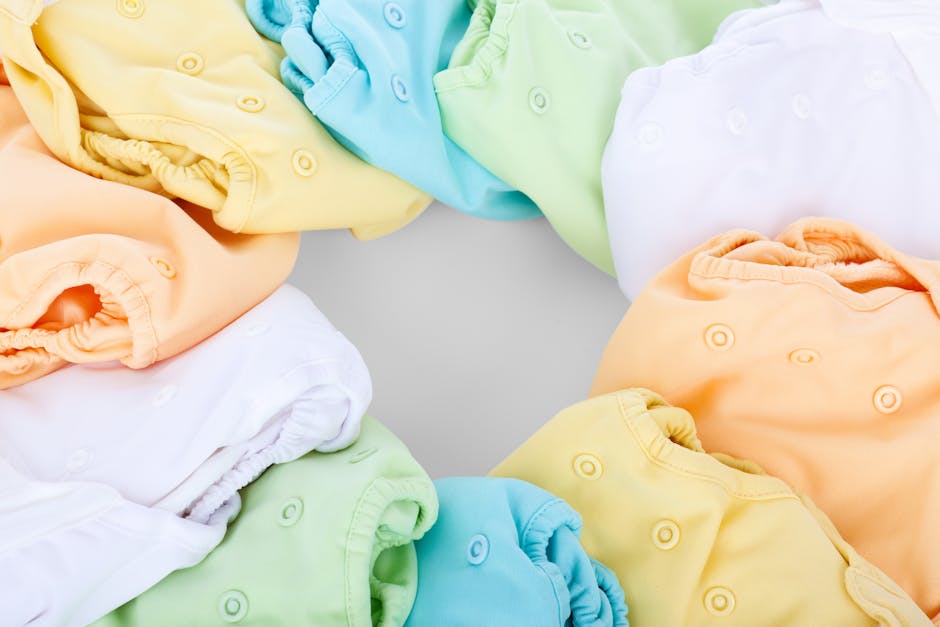
Cloth diapering has become a popular choice for parents who want to cut down on waste, save money, and use gentler materials against their baby's skin. But when you start researching, the options can feel endless. Pocket diapers, covers, inserts, wet bags, pail liners, and cloth-safe creams all show up in the same conversation, and it is not always clear what you actually need. This guide walks through the cloth diapering essentials, so you can build a stash with confidence in 2026.
Why Families Choose Cloth Diapers
The reasons for choosing cloth diapers are personal, but the benefits are consistent. Many families want to reduce the amount of waste their household sends to landfills. Others prefer to avoid synthetic materials found in some disposable diapers. And for many parents, the long-term savings are the biggest draw. Because cloth diapers are reusable, the same stash can last from birth through potty training. Even families who only use cloth diapers part-time can still save money and reduce waste compared with a full disposable routine.
That said, starting out can feel like stepping into a whole new world. There are many types, terms, and opinions, and it is normal to wonder whether the effort is worth it. The good news is that a simple checklist can clear up the confusion. Most cloth diapering families agree that you do not need to buy everything at once. You need a core set of essentials, and you can add extras as you settle into a routine.
The Core Cloth Diapering Essentials
Every cloth diaper routine relies on the same basic building blocks: diapers or covers, absorbent inserts, wipes, and a storage system for dirty diapers. Once you understand how these pieces work together, the rest of the shopping list becomes much easier to manage.
Pocket Diapers: A Beginner-Friendly Starting Point
Pocket diapers are often the first system that new cloth diapering families try. They work with two pieces: pocket shells and inserts. The inserts are the absorbent part of the diaper, and the shells are the waterproof part. You slide the insert into the pocket opening inside the shell, and the finished diaper fastens around your baby just like a disposable. One-size pocket diapers are especially popular because they adjust to fit your baby as they grow, which means one stash can last for years.
Covers, Inserts, and Boosters
Some families prefer a cover-based system instead of pockets. One-size covers are waterproof outer shells that can be wiped down and reused between changes. Because covers do not need to be washed after every single change, you need fewer of them. A starting stash of about six one-size covers is a common recommendation. The absorbency comes from inserts, boosters, or fitted diapers placed under the cover. Some complete sets include No Fold diapers and boosters to give parents extra absorbency options for heavy wetters and overnight use.
How Many Diapers Do You Need?
When building a cloth diaper stash, most experts recommend starting with 12 to 24 diapers. This gives you enough diapers to rotate through a day or two while you keep up with laundry. If you are stocking a newborn wardrobe, a complete newborn set can simplify the process. One example of a newborn complete set includes 12 covers, 40 No Fold diapers, 10 boosters, and 2 rolls of flushable liners. Buying a bundle like this means everything arrives together and is ready before your baby is born.
Cloth Wipes, Wet Bags, and Storage
Diapers are only part of the picture. You also need wipes and a place to keep dirty diapers until wash day. These items are just as important as the diapers themselves.
Stock Up on Cloth Wipes
Cloth wipes pair naturally with cloth diapers. A stash of around 30 cloth wipes gives you plenty of wipes for changes throughout the day. You can use them with plain water or a wipe solution, and they go straight into the same wet bag or pail as the dirty diapers. Many parents find cloth wipes gentler on baby skin than disposable wipes, and they eliminate the need to separate disposable wipes from the diaper laundry.
Wet Bags and Pail Liners
For home storage, most cloth diapering families keep two large hanging wet bags or pail liners. Having two lets you rotate one bag into the laundry while the other stays in service. A travel wet bag is optional but recommended for changes outside the house. In total, three to four wet bags are a practical number for most families. They cover the rotation at home and leave you with a dedicated bag for the diaper bag.
Diaper Pails and Odor Control
Some families prefer a closed diaper pail to an open hanging bag. Odorless cloth diaper pails are available specifically for this purpose and are designed to keep smells contained between washes. Pail liners fit inside the pail and can be lifted out and emptied directly into the washing machine. This keeps the process tidy and prevents diaper odors from spreading through the nursery.
Diaper Creams and Skin Care
Skin care is an essential part of cloth diapering, but not every diaper cream is compatible with cloth. Traditional diaper creams can leave a coating on fabric that reduces absorbency and causes repelling over time. For this reason, most cloth diaper retailers sell cloth-safe creams that protect baby skin without leaving buildup behind.
What to Look For in a Cloth Diaper Essentials Kit
If you prefer a ready-made option, some brands sell cloth diaper essentials kits that bundle the skin care items you need. One example includes a 2-ounce diaper balm, a 9-ounce wipe solution, a 2.7-ounce hand sanitizer, and a travel-size diaper balm, with a regular price of $38.95 USD. These kits pull together the extras that are easy to forget, so you can focus on the diapers themselves.
Laundry and Diaper Care
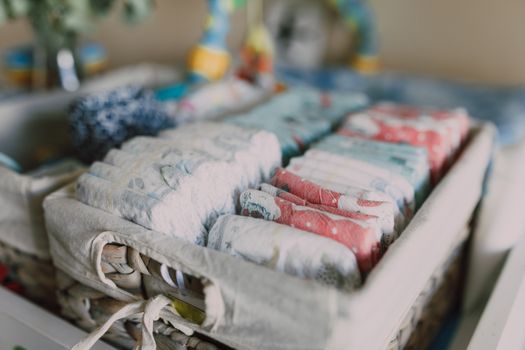
Keeping diapers clean and odor-free is a regular part of the routine. A clean rinse cycle helps remove residue and keeps fabric fresh. Cover care also matters, since waterproof covers last longer when they are washed according to the manufacturer's instructions. Storing dirty diapers in a wet bag or pail between washes prevents smells from building up and makes laundry day straightforward.
Building a Cloth Diaper Stash Without Overwhelm
The number of cloth diapering products on the market can be overwhelming, which is why checklists are so useful. A registry checklist can show you what you actually need before your baby arrives, from wet bags to laundry gear. Many checklists cover the same core supplies: diapers or covers, inserts, wipes, wet bags, pail liners, and laundry essentials. If you are creating a baby registry or buying for yourself, starting with the basics and adding extras later is a smart approach.
Parents often begin with pocket diapers because the system is easy to understand and use. You stuff the insert, put the diaper on your baby, and wash the whole thing when it is dirty. From there, you can experiment with other styles and build a stash that fits your family's routine. A complete checklist for birth through potty training can help you plan for the long term, whether you choose pockets, covers, or a mix of both.
Shopping for cloth diapering essentials does not have to be complicated. Once you have your diapers, wipes, storage, and cloth-safe skin care products, you are ready for the first wash and the first change. Start with the basics, learn as you go, and adjust your stash as your baby grows.
Frequently Asked Questions
How many cloth diapers do I need to start?
Most families start with 12 to 24 diapers. That number is enough to cover a day or two between laundry loads. If you use a cover system, you will need fewer covers and a separate supply of inserts or boosters. You will also want around 30 cloth wipes and at least two pail liners or wet bags for home storage.
Do I need special diaper cream for cloth diapers?
Yes. Traditional diaper creams can leave residue on cloth diapers and reduce their absorbency. Cloth-safe creams are formulated to protect your baby's skin without coating the diaper fibers. Most cloth diaper retailers sell cloth-safe balms and creams, and a dedicated diaper balm is a useful addition to your supply kit.
Do cloth diapers really save money?
Families who use cloth diapers can save money compared with buying disposables, especially when the same diapers are used from birth through potty training. Even part-time cloth diapering can lower the number of disposable diapers you purchase. Your exact savings depend on the brands and sizes of diapers you choose.
What is a pocket diaper?
A pocket diaper has two parts: a waterproof shell and an absorbent insert. The insert slides into a pocket opening inside the shell. The insert soaks up moisture while the shell keeps it contained. One-size pocket diapers adjust to fit your baby as they grow, making them a popular choice for beginners.
How do I store dirty cloth diapers?
Most families use wet bags or a diaper pail with pail liners. Two large hanging wet bags or pail liners let you rotate one while the other is being washed. A travel wet bag is useful for outings. Odorless cloth diaper pails are another option if you prefer closed storage between washes.
Share