 Everetts Place

Baby Essentials by Age – A Guided Shopping Directory for New Parents

Every new parent soon learns that a baby's needs change quickly. What works during the first weeks may no longer fit by month six, and the toys that delight a nine-month-old are often too simple for a toddler. This guided directory organizes baby essentials by age so you can focus on what your child actually needs at each stage. We have organized everything into three clear phases: newborn (0-3 months), infant (3-12 months), and toddler (12-36 months). For each phase, we explain why choosing organic and non-toxic materials matters and point you toward curated collections that make shopping simple.
Newborn Essentials (0-3 Months)
The first three months are about warmth, sleep, feeding, and gentle care. A newborn's skin is thin and sensitive, and their immune system is still developing. Organic fabrics, free from harsh chemicals and pesticides, help reduce irritation and keep babies comfortable. Non-toxic materials also matter for items that go near the mouth, such as teethers and pacifiers. Below are the core categories to consider for a newborn.
Sleep Essentials
Newborns sleep a lot, so having a safe, comfortable sleep space is a top priority. A crib, bassinet, or travel crib gives baby a dedicated spot to rest. A firm crib mattress and at least three crib sheets allow for quick changes during the night. Many parents also choose a baby monitor to keep an ear on their little one. When selecting bedding and sleepwear, organic cotton or bamboo options are gentle on newborn skin and free from synthetic chemicals. Browse our organic baby sleepwear collection for soft pajamas that help your baby sleep safely and soundly.
Diapering Essentials
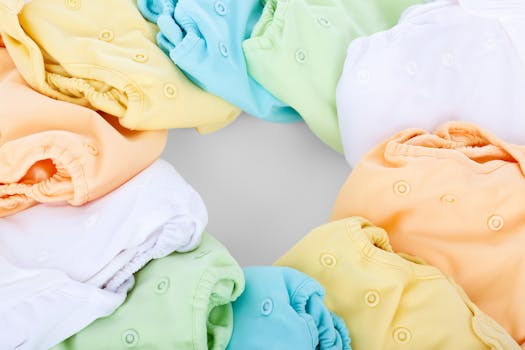
Diapers are a daily necessity. You can choose between disposable or reusable cloth nappies. Cloth diapering systems have become easier to use and are a great way to reduce waste while avoiding the lotions and dyes sometimes found in disposables. Along with diapers, you will need wipes, diaper cream, and a place to change baby. For families interested in cloth diapering, our cloth diapering systems offer starter kits and accessories made from safe, absorbent materials.
Clothing Basics
Newborns go through several outfit changes a day. A good starter wardrobe includes 4-8 onesies, 4-8 shirts, 4-8 pants, 4-8 one-piece pajamas, 1-3 rompers or dress-up outfits, 1-3 sweaters or jackets, and 4-7 pairs of socks or booties. Organic cotton and bamboo fabrics are breathable and soft, reducing the risk of skin irritation. They also regulate temperature better than synthetics, which helps keep your baby comfortable. Explore our bamboo baby pajamas for buttery-soft sleepers that are kind to sensitive skin.
Feeding Essentials
Whether you breastfeed, bottle-feed, or do a combination, a few items make the process smoother. Nursing parents may need a breast pump, milk storage bags, and nursing pads. Bottle-feeding requires bottles, nipples, and a bottle brush. For both methods, burp cloths and bibs are handy. Look for feeding items made from food-grade silicone or glass to avoid plastic chemicals. Our children's mealtime products include non-toxic dishes and utensils suitable from the start.
Bathing and Grooming
Newborns need gentle care during baths. A baby bathtub or infant bath seat makes bath time safer and easier. Mild, fragrance-free soap, shampoo, and lotion help protect delicate skin. A soft hooded towel, nail clippers or a nail file, and a thermometer for bath water are also useful. Choose bath products that are plant-based and free from phthalates and parabens.
Soothers and Toys
Even at this early stage, a few simple toys can engage a newborn. A soft rattle, a black-and-white contrast card, or a gentle mobile above the crib encourages visual tracking and auditory awareness. Make sure any toy that goes in the mouth is made from non-toxic, BPA-free materials. Our non-toxic baby toys collection features items crafted from organic cotton, natural wood, and food-grade silicone.
Infant Essentials (3-12 Months)
Between three and twelve months, babies become more active. They start rolling, sitting, crawling, and eventually pulling up to stand. Their feeding routines change as solid foods are introduced. Safety and durability become even more important as little hands explore everything. Organic and non-toxic materials remain crucial because infants put almost everything in their mouths.
Gear for Movement
As your baby grows, you will need gear that supports their developing mobility. A convertible car seat works for various ages and stages; it installs rear-facing for infants and later converts to forward-facing. A baby carrier or wrap lets you keep your baby close while keeping your hands free. Once your baby sits up independently, a high chair is essential for mealtimes. Look for gear with adjustable straps, easy-to-clean surfaces, and certifications for safety.
Feeding for Solids
When your baby starts solid foods, typically around six months, you will need a few new items. A high chair, as mentioned, is a must. You will also want baby spoons, suction bowls, open cups, and silicone bibs. Silicone feeders or mesh bags let babies safely explore soft fruits and vegetables. Avoid plastic utensils that may contain BPA or phthalates. Our children's mealtime products include bamboo plates, stainless-steel cups, and silicone placemats that are easy to clean and safe for little mouths.
Clothing for an Active Baby
Infants need clothing that allows freedom of movement. Onesies with snap closures, soft leggings, and one-piece rompers work well for crawling and early walking. Footed pajamas are cozy for sleep. Organic cotton and bamboo remain excellent choices because they are stretchy, breathable, and gentle on active skin. Keep a few extra pairs of socks and booties handy, as babies this age often kick them off. See our organic baby clothes for a range of sizes suitable for infants.
Play and Learning
Infants are natural explorers. Montessori-inspired toys that encourage open-ended play are ideal for this stage. Stacking rings, shape sorters, soft blocks, and activity centers help develop fine motor skills and problem-solving. Musical instruments like shakers or small drums support cause-and-effect learning. Always choose toys made from natural wood, organic cotton, or food-grade silicone to avoid unnecessary chemicals. Browse our Montessori toys for infants to find developmentally appropriate options.
Bath Time Updates
As babies become more mobile, bath time changes. You may want to switch from an infant tub to a bath seat or a non-slip bath mat for the regular tub. Bath toys that float or squirt can make the experience more fun. Keep using gentle, plant-based soap and shampoo. Wash cloths and hooded towels made from organic cotton are soft against wet skin.
Sleep Changes
Around six months, many babies transition from a bassinet to a crib. You will still need a firm mattress and at least three fitted crib sheets. A wearable blanket or sleep sack replaces loose blankets for safety. Organic cotton or bamboo sleep sacks are breathable and help regulate temperature throughout the night. Explore our organic baby sleepwear for sleep sacks and pajamas that grow with your baby.
Toddler Essentials (12-36 Months)
Toddlers are busy, curious, and determined. They walk, run, climb, and communicate more every day. Their needs shift from baby basics to items that support independence, potty training, and more complex play. Organic and non-toxic materials remain important because toddlers are still developing their immune systems and are often in close contact with their environment.
Clothing for Toddlers
Toddlers need durable, comfortable clothing that can handle plenty of movement and mess. Look for soft cotton or bamboo tops and bottoms, as well as jackets for outdoor play. Shoes with flexible soles help developing feet. Pajamas made from organic materials are still a great choice for sensitive skin. Potty training may start during this stage, so easy-to-remove pants and training underwear are helpful. Our organic baby clothes collection extends into toddler sizes with the same high-quality fabrics.
Play and Development
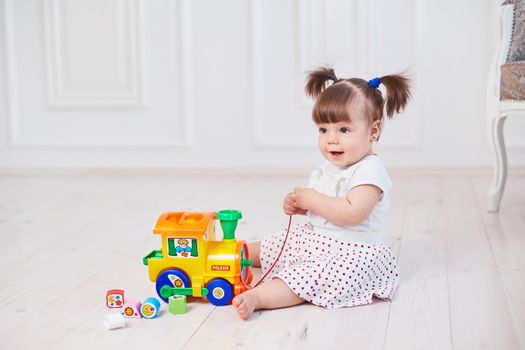
Toddlers benefit from toys that encourage imaginative play, problem-solving, and fine motor skills. Wooden blocks, puzzles, animal figures, and play kitchens are popular choices. Art supplies such as crayons, washable paints, and play dough support creativity. Montessori-inspired materials like practical life tools (child-sized brooms, pouring pitchers) help toddlers build independence. Always choose non-toxic paints, finishes, and materials for any toy or art supply. Shop our non-toxic baby toys for toddler-safe options.
Mealtime Independence
Toddlers want to feed themselves. Child-sized utensils, small open cups, and divided plates make self-feeding easier. Look for plates and bowls with suction bases to reduce spills. Stainless-steel or bamboo cups are durable alternatives to plastic. Silicone bibs with a catch pocket catch most messes. Non-toxic, dishwasher-safe materials save time and keep mealtimes safe. Our children's mealtime products include toddler-friendly sets designed for little hands.
Sleep for Toddlers
Most toddlers sleep in a crib or a toddler bed. A firm mattress and fitted sheets are still important. Sleep sacks or wearable blankets can be used as long as your child fits them safely. Some toddlers prefer a small pillow and a lightweight blanket. Choose bedding made from organic cotton or bamboo for breathability and softness. A consistent bedtime routine with a calming pajama set helps signal that it is time to rest. Our bamboo baby pajamas are available in toddler sizes for cozy, chemical-free sleep.
Grooming and Health
Toddler grooming includes toothbrushing, hair care, and regular nail trims. A toddler-sized toothbrush with soft bristles and fluoride-free toothpaste made for young children is a good start. Non-slip bath mats, step stools, and faucet extenders help make hand washing and bath time safer and more independent. Stick with plant-based, fragrance-free bath products to avoid irritating sensitive skin.
Frequently Asked Questions
How many onesies or pajamas should I buy for a newborn?
Most parents find that 4-8 onesies and 4-8 one-piece pajamas are enough to start. Newborns go through multiple outfit changes each day due to spit-up and diaper leaks. Having a few extras on hand reduces laundry stress, but you can always buy more as you learn your baby's patterns.
When should I switch from a bassinet to a crib?
Babies typically outgrow a bassinet around three to six months, or when they start rolling over. At that point, a crib provides a safer sleep space. The American Academy of Pediatrics recommends that babies sleep in the same room as their parents for at least six months, so a crib in your bedroom can work well during this transition.
Are cloth diapers worth the effort?
Many families find cloth diapers cost-effective and eco-friendly. Modern cloth diapering systems are easier to use than older versions, with adjustable fits and built-in absorbency. They also avoid the lotions and chemicals sometimes found in disposable diapers. If you are interested, a starter kit can help you try cloth diapering without a large upfront investment.
What should I look for in non-toxic baby toys?
Choose toys made from natural materials such as solid wood, organic cotton, and food-grade silicone. Avoid items with PVC, phthalates, or BPA. Look for finished surfaces that use water-based or beeswax finishes rather than synthetic paints. Simple, open-ended toys that encourage creativity are often safer and more engaging than complex plastic gadgets.
When should I start introducing solid foods?
Most babies are ready for solid foods around six months. Signs of readiness include sitting up with minimal support, showing interest in food, and losing the tongue-thrust reflex. Always consult your pediatrician before starting solids. Begin with single-ingredient purees or soft finger foods, and introduce new items one at a time to watch for reactions.
Every stage of your child's first years brings new joys and new needs. By choosing organic and non-toxic essentials, you create a safer, more comfortable environment for your growing baby. We invite you to browse our full selection of curated baby essentials by age, from organic sleepwear and bamboo pajamas to Montessori toys and mealtime products. Shop our baby gift sets and bundles to find everything you need in one convenient place. Welcome to the Everetts Place family.
Share